Meet eight new medical school grads from U of T’s Class of 2026
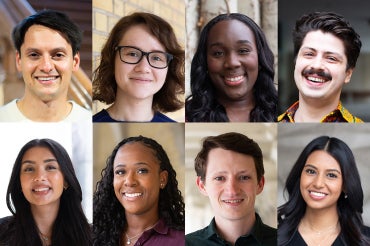
Clockwise from top left: Jeremy Rau, Julie Midroni, Olajumoke (Jummy) Oladipo, Alex Dhaliwal, Darshana Seeburruth, Chad Turner, Nimi Durowaye and Radha Sharma (photos by Julia Soudat)
Published: June 5, 2026
Graduates from the University of Toronto’s doctor of medicine (MD) program in the Temerty Faculty of Medicine crossed the stage at Convocation Hall earlier this week, marking the completion of their doctor of medicine (MD) studies and the start of their next chapter: residency programs across Canada.
Temerty Medicine writer Julia Soudat spoke with eight members of the Class of 2026 about what drew them to medicine, the experiences that defined their training and the impact they hope to have as physicians.
Darshana Seeburruth
Up next: Dermatology, U of T
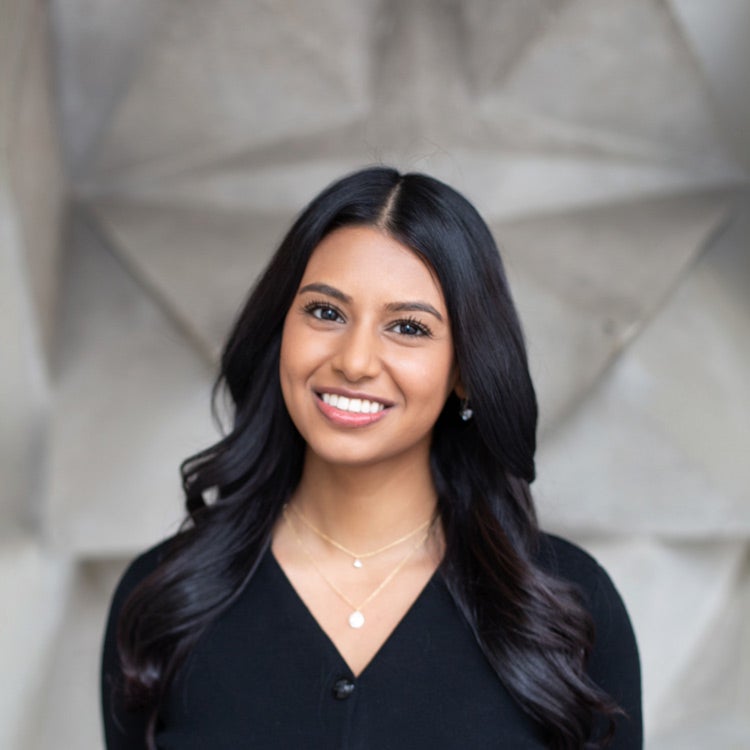
I was born in Mauritius, and from a young age, I saw how limited access to health care could change the course of someone’s illness and impact their daily life. Those experiences stayed with me and motivated me to pursue a career where I could help reduce these inequities.
What drew me to [dermatology] is how visible skin conditions can impact someone’s life, not just physically, but emotionally, socially, and professionally. I’ve been fortunate to learn from mentors who showed me that dermatologists don’t just treat disease, they also have the opportunity to help restore dignity, confidence and quality of life.
Seeing this in practice solidified my interest in the field and shaped how I hope to approach patient care.
Chad Turner
Up next: Family Medicine, Royal Victoria Regional Health Centre, Barrie, Ont.
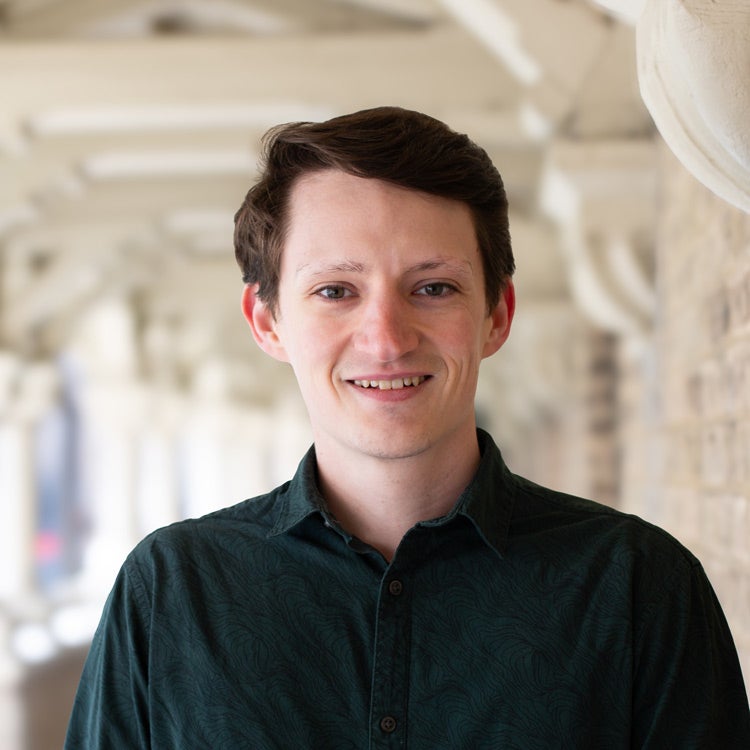
My interest in health care started, in perhaps an atypical way, during elementary school. I chose to do a heritage fair project about my grandfather who had served on a hospital ship in WWII when he was only a teenager. This piqued an interest in learning about health care during wartime and about different careers in health care.
In combination with growing up in a rural part of Canada, I was drawn to helping people in low resourced or austere environments.
My favourite aspect of medicine is getting to prevent and alleviate suffering using empathy and scientific knowledge accumulated over centuries. Having a team-based career that interfaces the human experience with evolving science and technology is both inspiring and meaningful.
Nimi Durowaye
Up next: Diagnostic and Molecular Pathology, U of T
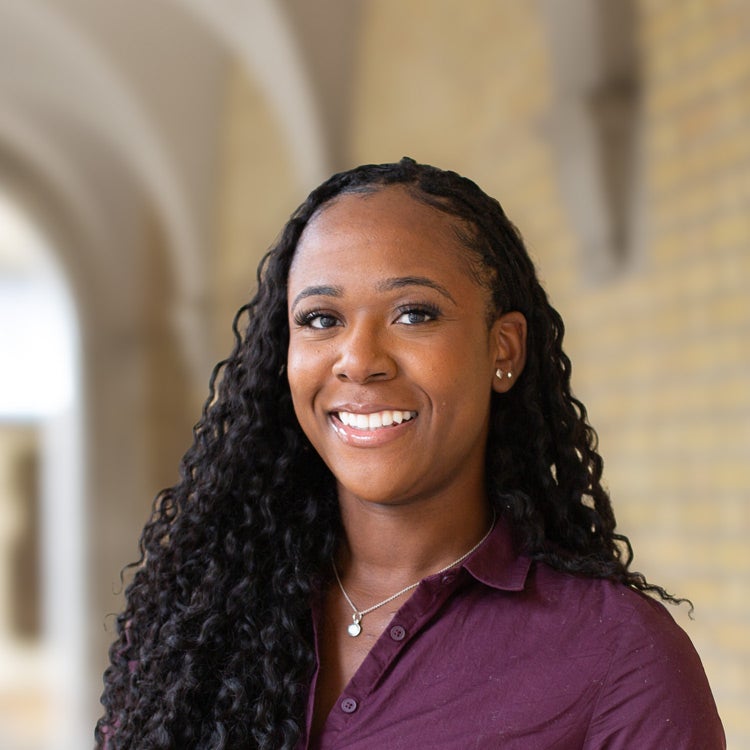
During undergrad, I was drawn not only to the scientific aspects of health and disease, but also to opportunities that involved teaching and mentorship.
My interest in pathology began unexpectedly. I first heard about it when I met a pathologist’s assistant the summer before starting medical school, who described it as medicine’s “hidden gem.” During medical school, I was consistently drawn to histology and understanding disease at a cellular and molecular level.
I’m most passionate about the process of figuring things out: working through a complex case, putting together different pieces of information and arriving at an accurate diagnosis that impacts what happens next for a patient. I’m also passionate about teaching and helping people build confidence in areas that initially feel unclear or intimidating.
Alex Dhaliwal
Up next: Radiation Oncology, U of T
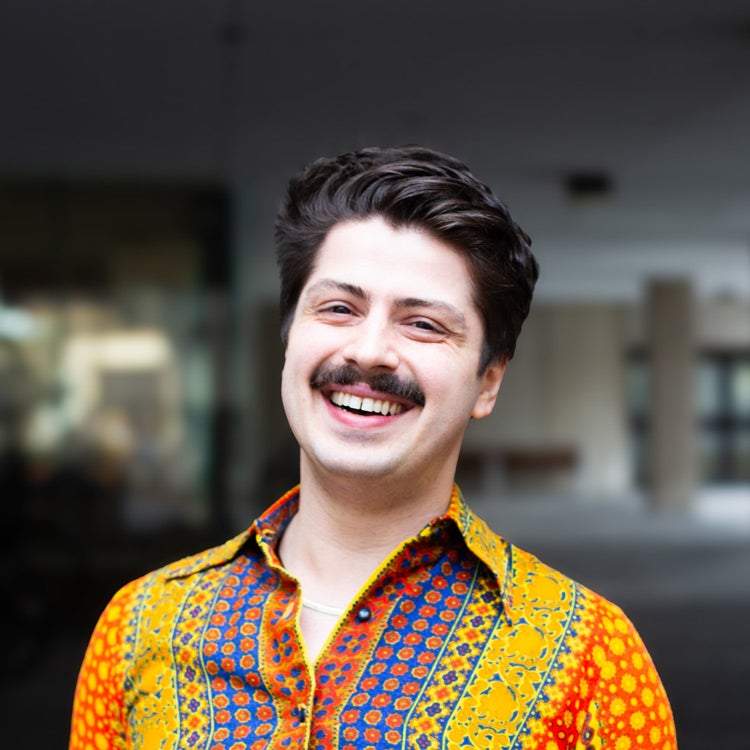
I was thrilled when I was accepted into U of T’s MD/PhD Program in 2017, and I spent my graduate years studying how focused ultrasound and nanomedicine could be leveraged to improve drug delivery to solid tumours.
I was initially drawn to [radiation oncology] as the most natural combination of my interests in physics, cancer and medical imaging. But I truly fell in love with the field after a studentship at BC Cancer and my electives in the specialty. It’s a beautiful blend of meaningful interactions with patients, frontier-pushing technology and team-based care.
While what drew me to medicine was the science, what excites me most now are the connections I form with people. Especially in oncology, I have the privilege to provide care at what might be one of the most vulnerable, uncertain moments of patients’ lives.
Radha Sharma
Up next: Internal Medicine, U of T
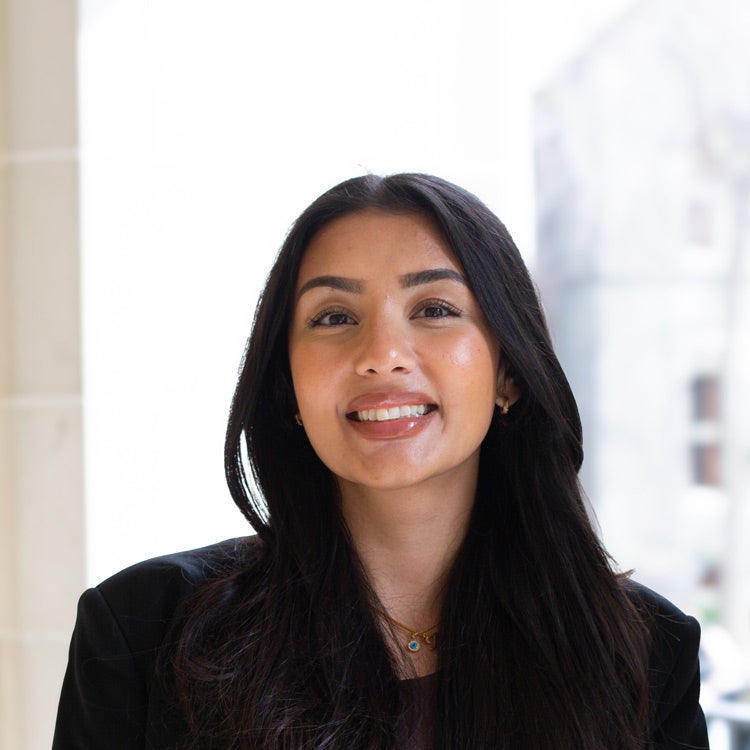
My parents immigrated from India in the 1990s. Throughout my life, I saw them struggle to make ends meet while also juggling mental and physical health problems.
My father died shortly before I started medical school. He’d had diabetes and high blood pressure for years, but he avoided doctors, and honestly, we didn’t know enough to push him. After he passed, I started the JP Stroke Foundation to create the kind of health information my family never had – resources that make health information accessible to communities like mine.
I love that internal medicine combines complex problem-solving with thinking about the bigger picture. Why do patients keep coming back to hospital? How do we help keep them healthy long term?
Internal medicine lets me continue the advocacy work I started while practicing excellent clinical medicine.
Olajumoke (Jummy) Oladipo
Up next: Paediatrics, U of T
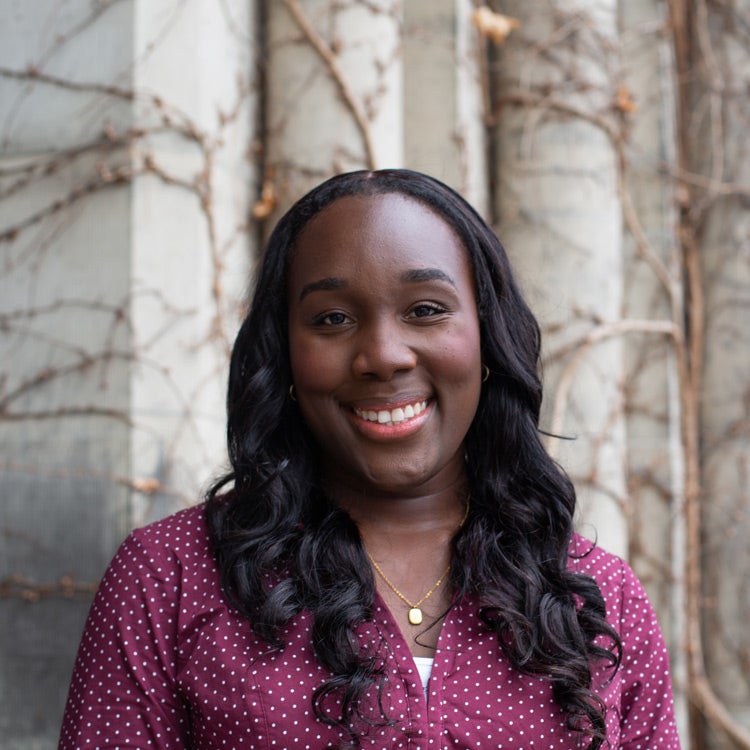
Growing up in a close-knit Nigerian family, I was raised with a strong sense of shared responsibility and care for others. From an early age, I knew I wanted to pursue a path rooted in community.
I ultimately chose to pursue medicine, and specifically paediatrics, because it brings together my interests in community-building, advocacy and research.
The moments that changed me the most were the patient interactions. I fondly remember my core paediatrics rotation, attending deliveries on my birthday and quietly singing “Happy Birthday” to the babies while doing the newborn exam. Moments like these reaffirmed my passion for pediatrics.
Supporting children and their families during difficult moments is a privilege I do not take for granted. I look forward to developing the skills needed to care for children and make a meaningful impact through collaborative care and research.
Julie Midroni
Up next: Neurology, U of T
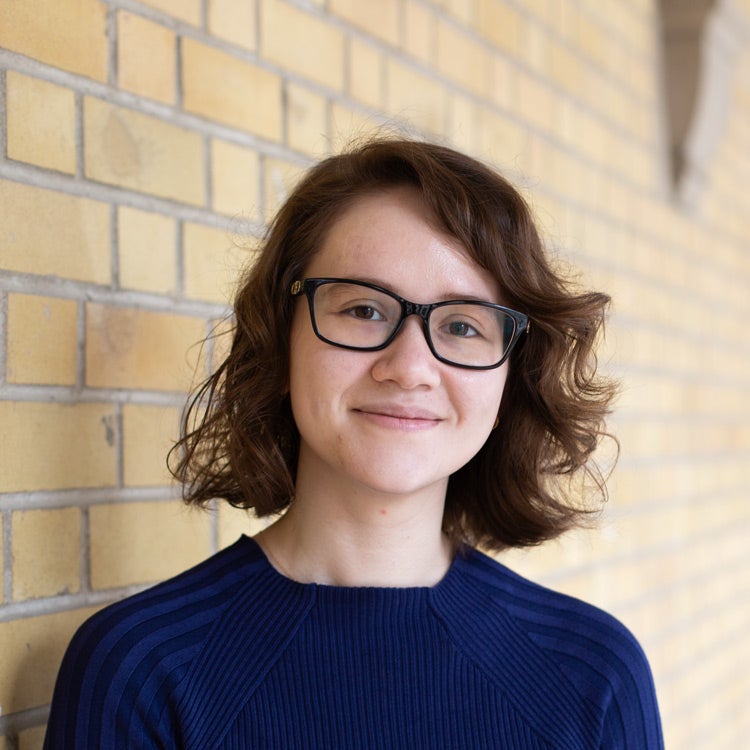
An internship opportunity in artificial intelligence and medicine sparked my interest in health technology and made me consider how I could contribute to an important and rapidly evolving field.
Neurology caught my interest early because of its anatomy and physiology, but what made me fall in love with the specialty was how involved neurologists are in patient care.
Two things make me most passionate about medicine. The first is the safe and ethical integration of artificial intelligence into medicine. The second is one-on-one clinical interaction itself. Speaking with patients is a privilege, and I genuinely love hearing patients’ stories and following them throughout their clinical course.
Technology may have drawn me to medicine, but human connection is what made me stay.
Jeremy Rau
Up next: Emergency Medicine, U of T
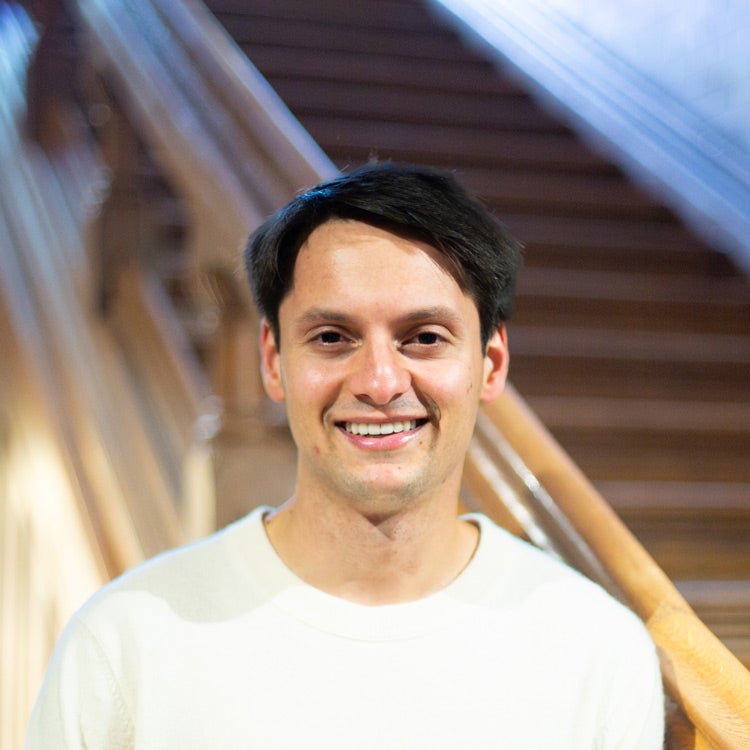
I always enjoyed problem-solving and understanding how things work… Medicine felt like the perfect opportunity to apply analytical skills in a way that could help patients.
During the summer before clerkship, I completed a global surgery elective at the Children’s Surgical Centre in Phnom Penh, Cambodia. Each day, I met patients whose conditions had gone untreated for years. I watched teams operate with limited resources while continuing to provide exceptional care.
The experience taught me what it means to be a physician: to give every patient your best effort, regardless of circumstance.
Medical school was a period of exploration. I enjoyed many specialties before rotating through emergency medicine. Emergency medicine brings together the best parts of every discipline with a mix of acuity, variety and problem-solving.
Read more about these MD grads at the Temerty Faculty of Medicine
Topics
Newsletter